

"Dark spots and uneven tone feel permanent until you understand what's actually causing them—and then you realize they're changeable." — Onyeka Tefari
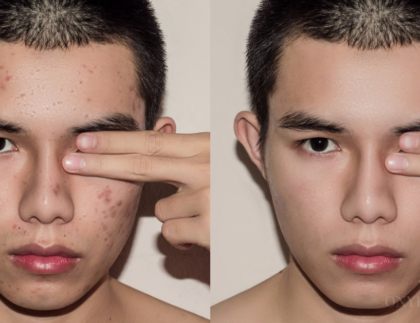
You look in the mirror and notice dark spots, patches of uneven tone, or areas where your skin looks darker than the rest of your complexion. Maybe it's one spot. Maybe it's several. Maybe the unevenness covers a larger area—what some people call melasma or chloasma.
Whatever form it takes, the frustration is the same: your skin tone feels uneven, and the dark areas feel permanent. You've tried topical products. Maybe they've helped a little, but not enough to make a real difference. You're starting to wonder if this is just something you have to live with.
Here's the truth: hyperpigmentation isn't permanent. But it also isn't something topical products alone can usually fix. Understanding what's actually causing it—and knowing what actually works to address it—changes everything.
What Hyperpigmentation Is and Why It Happens
Hyperpigmentation is an accumulation of melanin in specific areas of your skin, creating darker spots or patches. It's not a skin disease or a defect. It's your skin's response to certain triggers.
Common causes include:
Sun Exposure
UV damage is the #1 cause of hyperpigmentation. When your skin is exposed to the sun, it produces more melanin as a protective response. Over time, this melanin can accumulate in patches, creating visible dark spots or uneven tone. This is especially true if you spent time in the sun before consistently using sunscreen.
Hormonal Changes
Hormones influence melanin production. Pregnancy, birth control pills, and menopause can all trigger hyperpigmentation. This is why some women develop melasma (symmetric patches of darker skin, usually on the face) during these hormonal shifts. It's called "chloasma" or the "mask of pregnancy" for a reason.
Inflammation and Injury
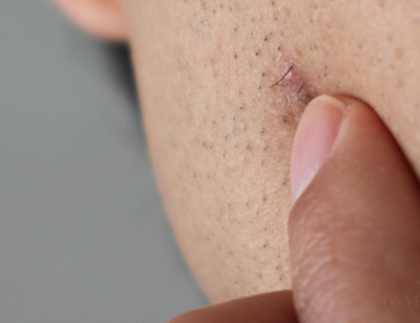
Post-inflammatory hyperpigmentation happens after your skin experiences inflammation or injury—acne, eczema, dermatitis, or even aggressive skincare treatments. Your skin responds by producing extra melanin in the affected area. This is why acne scars sometimes leave dark marks behind.
Genetics
Some people are genetically predisposed to hyperpigmentation. If your family has darker skin tones, you're more likely to experience visible hyperpigmentation. It's also more common in people with deeper skin tones because the melanin is more visible.
Certain Medications and Products
Some medications (like certain antibiotics) and skincare products can increase photosensitivity, making your skin more prone to pigmentation in response to sun exposure.
The key insight here is this: hyperpigmentation is your skin's response to a trigger. Once you understand the trigger, you can address it. And once you stop the trigger, your skin can begin to fade the pigmentation.
Why Topical Products Alone Usually Aren't Enough
This is frustrating to hear, but it's important to understand: topical products—serums, creams, brightening treatments—can help, but they rarely solve significant hyperpigmentation on their own.
Here's why: the dark pigment sits deeper in your skin than most topical products can reach. A brightening serum can help prevent new pigmentation and support fading over time, but it can't effectively reach and address the accumulated melanin that's already there.
Additionally, topical products work on the assumption that your skin can shed that pigmented layer naturally. For some hyperpigmentation, that happens eventually. For stubborn spots and melasma, your skin needs professional intervention to actually shift what's there.
This is where professional treatments become necessary.
What Actually Works to Address Hyperpigmentation
Stop the Trigger
First and foremost, stop exposing your skin to the trigger. If sun exposure caused it, consistent sunscreen use (SPF 30+, applied daily and reapplied) is non-negotiable. This prevents new pigmentation from forming and allows existing pigmentation to fade.
If hormones triggered it, that's more complex—you can't stop menopause or get off birth control just for hyperpigmentation. But understanding that hormones are involved helps you be realistic about timelines and expectations.
Professional Treatments That Actually Fade Hyperpigmentation
This is where real change happens. Professional treatments work deeper than topical products and can actually address accumulated melanin.
Micro-Channeling
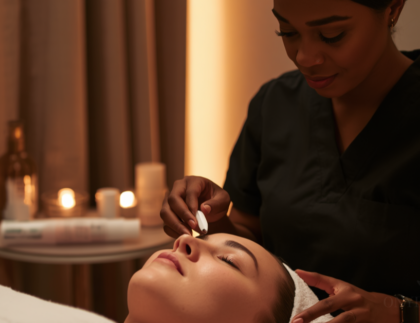
Micro-channeling stimulates your skin's natural renewal response and supports increased cell turnover. When combined with supportive products, this accelerated shedding helps fade hyperpigmentation more effectively than topicals alone. The treatment also supports your skin's barrier and prepares it to absorb brightening serums more effectively.
Many clients see noticeable fading of dark spots and more even tone within a series of micro-channeling treatments. Results continue to improve with consistent treatments over several months.
Customized Facials for Hyperpigmentation
A facial specifically designed to address hyperpigmentation is different from a standard facial. It focuses on:
- Gentle exfoliation to support shedding of pigmented skin cells
- Products chosen specifically for their brightening and supporting properties
- Techniques that support even skin tone without irritating or inflaming the skin
- Barrier support (because addressing hyperpigmentation requires consistency, and a compromised barrier gets in the way)
A series of these facials, combined with consistent at-home support, creates visible improvement in tone evenness and fading of dark spots.
Supportive Skincare
While professional treatments do the heavy lifting, supportive at-home skincare is crucial. Products with brightening properties, barrier support, and sun protection work together to fade hyperpigmentation and prevent new pigmentation from forming.
This is where a professional consultation becomes valuable—we recommend the specific products and routine that will support your skin's fading process without causing irritation or setting you back.
The Timeline for Results
This is important to understand: hyperpigmentation fading isn't instant. It takes time because your skin needs to shed the pigmented layers gradually.
First 2-4 weeks: You might notice the spots look slightly lighter or less distinct. Your skin starts responding to the treatment and products.
1-3 months: With consistent professional treatments and at-home support, noticeable fading becomes visible. Dark spots become less prominent. Tone becomes more even.
3-6 months: Significant improvement. Many clients see their hyperpigmentation fade substantially with consistent treatment and at-home support.
Beyond 6 months: Some clients see continued improvement. Others plateau at a point where the hyperpigmentation is significantly faded but not completely gone. Continued maintenance treatments help sustain results.
The timeline depends on:
- How deep the pigmentation is
- How long you've had it
- Your skin's natural healing speed
- How consistently you follow the professional treatment plan and at-home routine
- Your ability to protect your skin from new sun exposure
Hyperpigmentation caused by hormones can be slower to fade than sun-induced spots because the underlying trigger (hormonal changes) is ongoing. But even hormonal hyperpigmentation responds to professional treatment and consistent support.
Prevention Matters
Once you've faded hyperpigmentation, preventing new pigmentation is crucial. This means:
Consistent Sunscreen Use
This is non-negotiable. SPF 30+ daily, reapplied every 2 hours if you're in the sun. This is the single most important thing you can do to prevent hyperpigmentation from returning.
Avoiding Skin Trauma
Avoid aggressive treatments, harsh skincare, or anything that inflames your skin. Post-inflammatory hyperpigmentation is real, and preventing skin injury prevents this type of pigmentation.
Addressing Triggers
If hormones are a trigger, you can't stop them, but you can be proactive with treatment and support. If sun is the trigger, protect your skin. Awareness prevents future problems.
Your Skin Tone Can Be More Even Than It Is Right Now
If you've been struggling with dark spots, uneven tone, or melasma, you might think it's just something you have to accept. But hyperpigmentation is addressable. It takes professional treatment, consistent at-home support, and patience—but real change is possible.
The dark spots and uneven tone you see aren't permanent. They're your skin's response to triggers, and with the right approach, they can fade.
This is where a professional consultation becomes valuable. We can assess your specific hyperpigmentation, determine what's likely causing it, recommend the professional treatments that will actually help, and guide you on the at-home support and timeline you need to expect.
Your skin doesn't have to stay this way. With the right plan, it can be more even, more luminous, and more radiant than it is right now.
CONSULTATION
Ready to understand what your skin needs? I'd love to chat with you. Book a consultation (virtual or in-person) and let's get you on the right track.
If you're dealing with hyperpigmentation, dark spots, or uneven tone, a consultation is the perfect first step. We'll assess your specific concerns and create a treatment plan designed to fade the pigmentation and prevent new spots from forming
Related Products
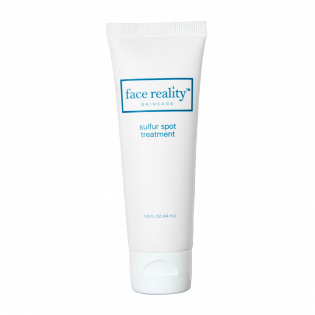
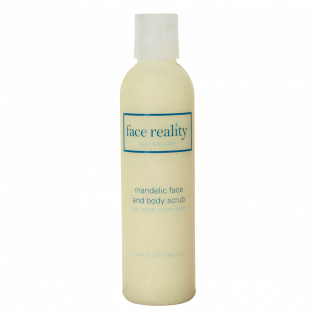
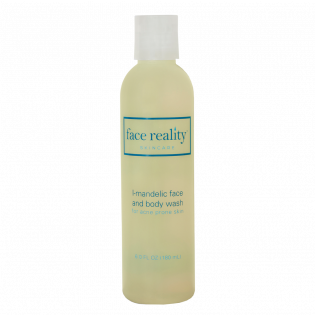
Related Services

One on One
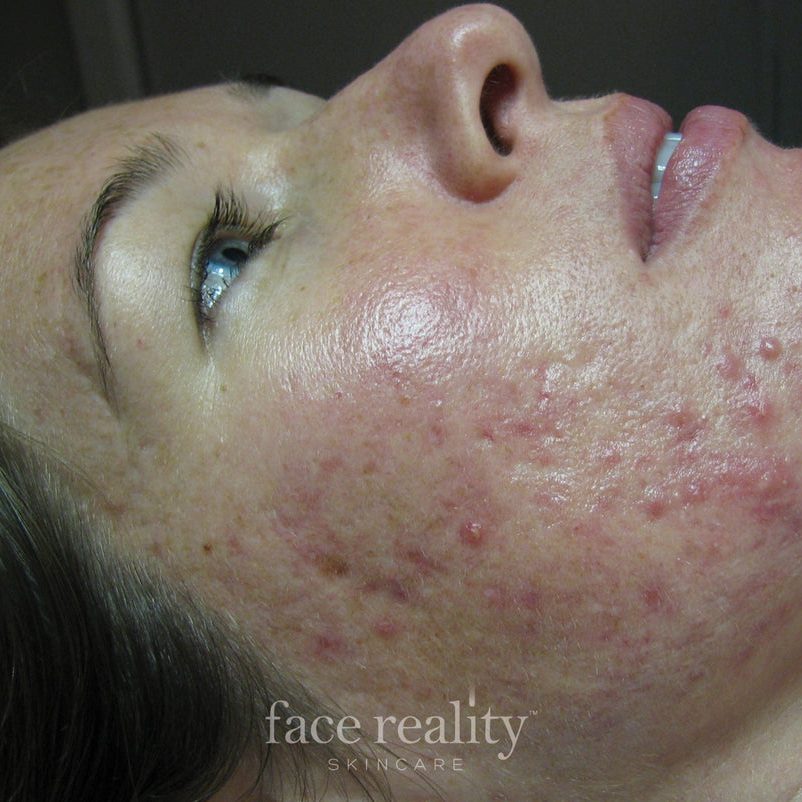
Acne Consultation With Treatment
At Onyeka Tefari, we are committed to providing you with the best acne treatment and consultation services to help you achieve your skincare goals.
Cleansing
Acne Peel Treatment
Our acne peel treatment is designed to exfoliate dead skin cells and unclog pores, reducing the appearance of acne scars and promoting healthy skin renewal.
Cleansing
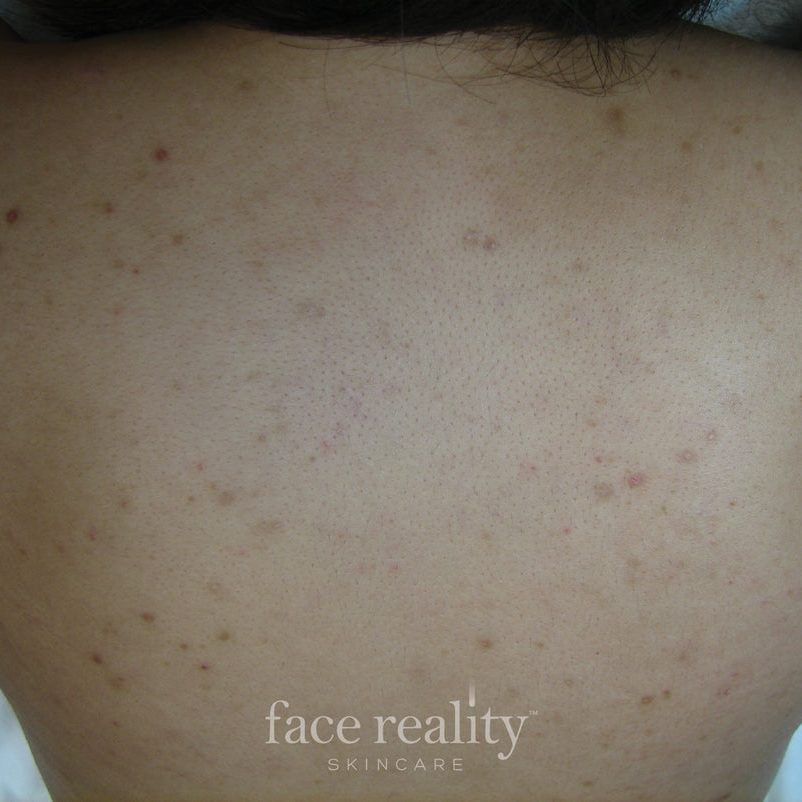
Acne Back Peel
Our Acne Back Peel treatment at Onyeka Tefari is designed to exfoliate dead skin cells and unclog pores, reducing the appearance of acne scars and promoting healthy skin renewal.